What is double texting, and is a follow-up okay?
Double texting means sending another message before a reply arrives. One useful follow-up can be fine; repeated demands for an answer create pressure.
LustAI Editorial3 min read
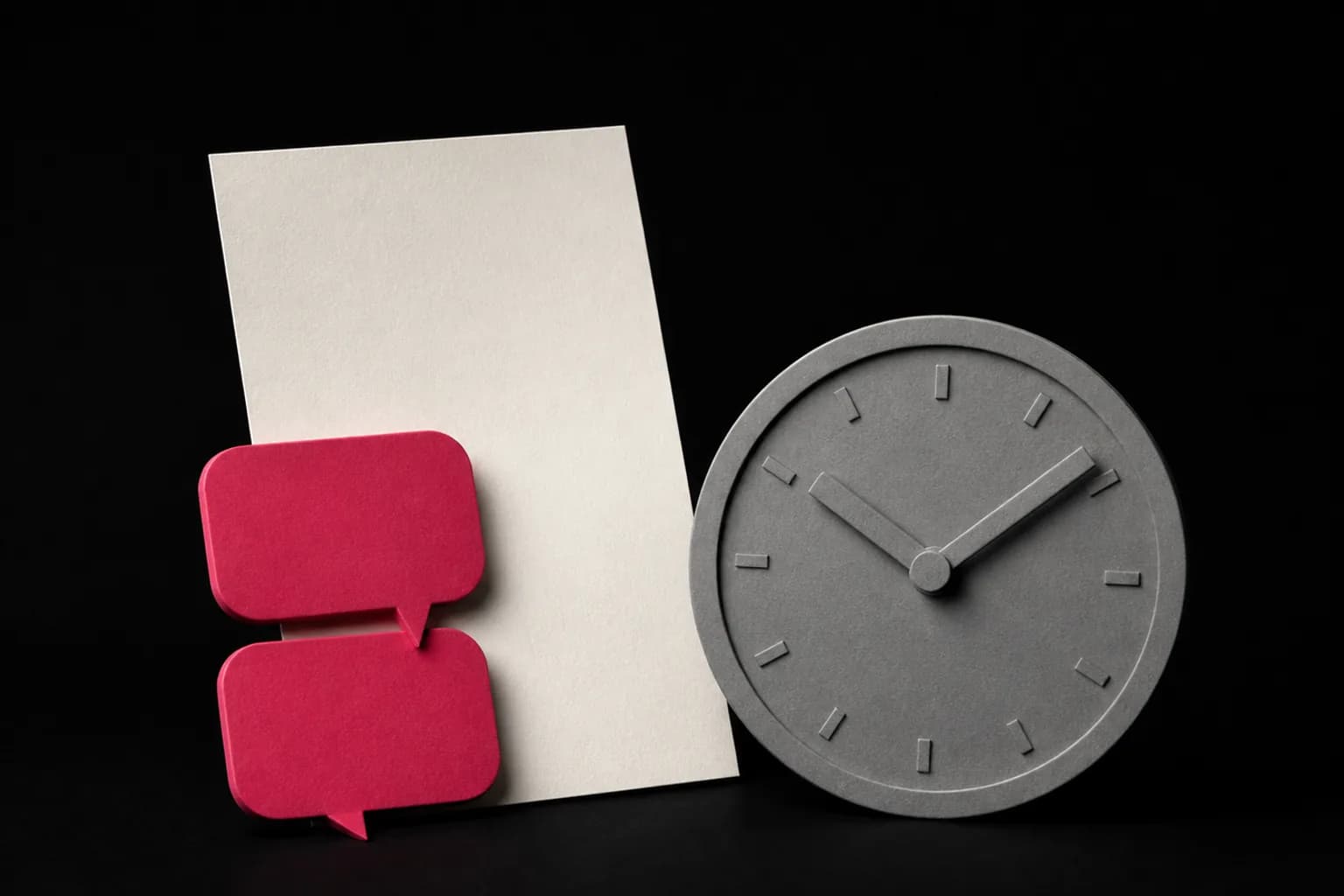
Double texting means sending another message before the other person has replied to your previous one. A second message can be a helpful update, a correction or a polite follow-up. It isn't automatically rude or embarrassing; what matters is the context, what you're asking and whether you respect their space.
Where does the word come from?
The phrase describes the sequence literally: two outgoing texts without an incoming reply between them. Ratika Pai's reviewed double-texting explainer uses this basic meaning. People sometimes extend it to any follow-up sent while they're waiting.
“Triple texting” means three messages in that sequence. These counts are convenient labels, not a validated scale for deciding whether someone communicates well. A person may split one sentence across several bubbles because that's their usual style.
In the chat slang glossary, the definition helps you understand a comment. Your next choice should depend on the actual exchange, not on keeping an invisible score.
How do people use it?
A friend might ask “Should I double text?” when they want to follow up but worry about applying pressure. Compare the purpose of these messages.
A useful correction: “Let's meet at the west entrance.” Then: “Correction: east entrance, beside the café.” Sending the second message prevents confusion.
A practical follow-up: “Can you make the board-game evening?” The next afternoon: “Ordering food at six. Let me know before then if you'd like a place.” The deadline explains why another message helps.
A demand for reassurance: “Why haven't you replied?” Then: “You're clearly online. Answer me.” The concern is the pressure, not merely the extra bubble.
The second example is not a rule that everyone must wait until tomorrow. An urgent change of location may need an immediate update. A casual question with no deadline may need no follow-up at all.
A reviewed Psychology Today discussion of waiting for texts describes how uncertainty can invite overinterpretation. That may explain the urge to send more, but it doesn't tell you what the recipient is thinking.
Is it the same as texting too much?
Double texting describes order. “Too much” depends on the content, the situation and your shared expectations. Three short parts of a travel update differ from three demands that someone prove they care.
Being seen-zoned means a message shows as read without an answer. That indicator doesn't turn a second message into a requirement. You can choose to wait or make other plans.
The guide to how often to text someone new addresses rhythm across a connection. For worry that keeps returning between messages, attachment patterns and texting offers a wider perspective.
What should you do if you want to send another message?
Read your draft and ask: does this add useful information, or ask them to manage my worry? Love is respect's digital-boundaries guidance supports discussing reply expectations openly.
- For clarification, you could say: “Forgot to add that the event is free, in case that affects your decision.”
- For one follow-up, you could say: “Checking once about Sunday. If it doesn't work, no problem; I'll make another plan.”
- To stop chasing an answer, you could say: “I'll leave this with you and get on with my evening.” You can also put the phone down without sending that line.
After a polite follow-up, leave room for a response. Don't send a third demand or switch apps to get attention. If they've asked for no contact, the guide to respecting a decision to leave explains how to honour that request from the start.
If you've sent too many messages, a brief apology followed by space is more useful than another explanation. When the checking and sending feel difficult to interrupt, a counsellor or trusted person can help you find a calmer pattern.
Questions people ask
- Is double texting bad?
- Not automatically. A useful update or one polite follow-up can be reasonable if it respects the other person's time and boundaries.
- How long should you wait before double texting?
- There's no universal number of hours. Consider whether there's a real deadline, what your usual contact is like and whether the new message adds anything useful.
- What does triple texting mean?
- It means sending three messages before a reply. Three parts of one thought aren't automatically a problem, but repeated demands for an answer can create pressure.
- Should you double text after being left on seen?
- You can send one clear follow-up if an answer would help with a plan. A seen indicator doesn't require another message or prove deliberate rejection.
Sources
- Ratika Pai (2025). Double Texting · MomJunction
- Psychology Today (2025). Why You Can't Stop Thinking About That Text · Psychology Today
- Love is respect (n.d.). Digital boundaries · Love is respect
Written by LustAI Editorial. We write plain-language guides about talking to people online, staying safe and feeling good about it. Every piece is researched against primary sources, edited by a human, and reviewed again whenever we update it.
Keep reading

Dating & relationships
How often should you text someone new?
There isn't a perfect daily message count. Find a rhythm that fits both people, discuss reply expectations and ease the urge to keep checking.
5 min read
Glossary
What does seen-zoned mean when there's no reply?
Seen-zoned means a message shows as read but has no reply. A receipt reports an app state, not the person's reason for leaving the conversation quiet.
3 min read
Dating & relationships
Attachment styles and texting: why you reply the way you do
Why an unread message can feel like a crisis to one person and nothing to another, what each attachment pattern looks like in chat, and one adjustment each.
7 min read