What does seen-zoned mean when there's no reply?
Seen-zoned means a message shows as read but has no reply. A receipt reports an app state, not the person's reason for leaving the conversation quiet.
LustAI Editorial3 min read
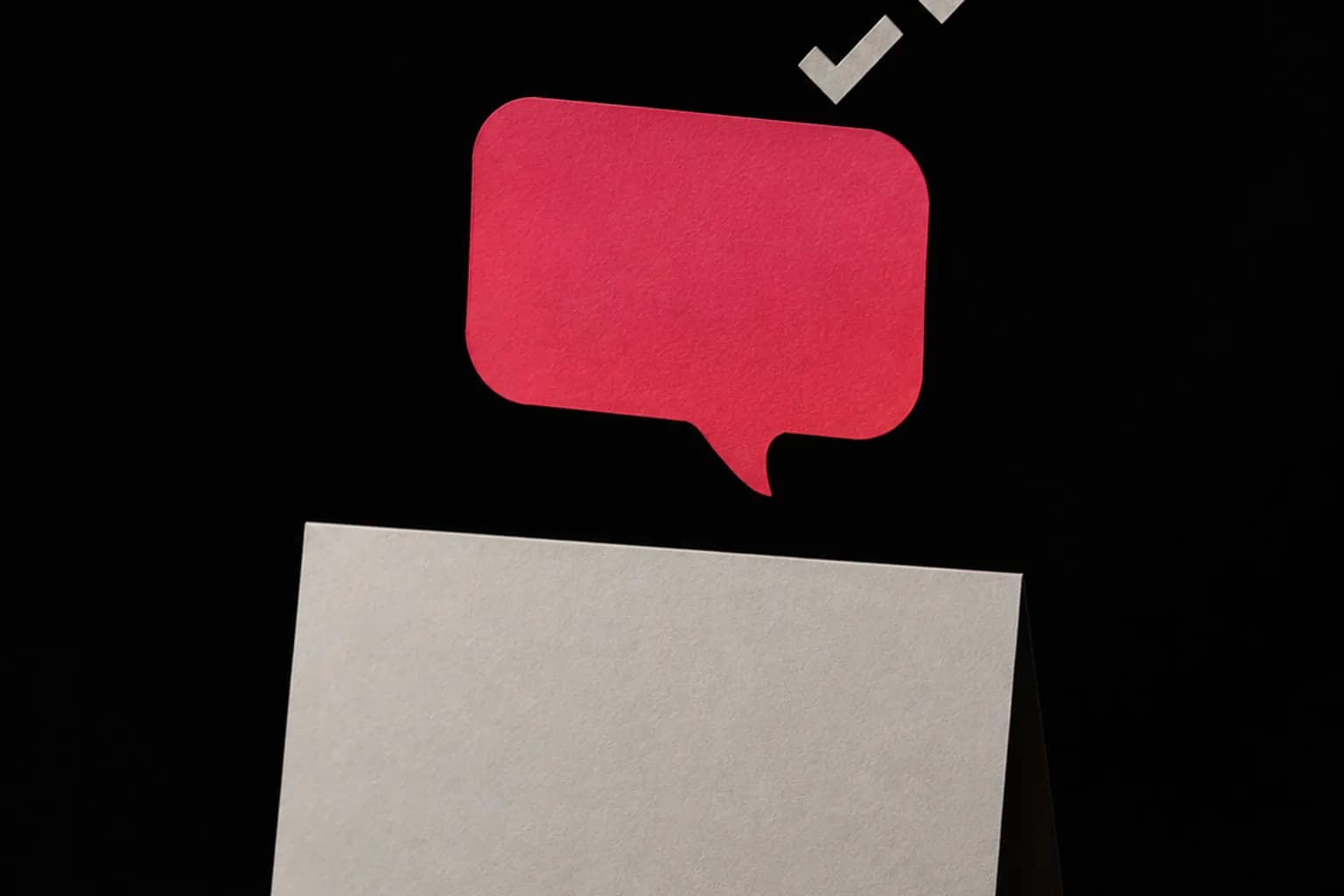
Seen-zoned means your message is marked as seen or read, but no reply has arrived. People also write “seenzoned” or say “left on seen.” The label describes the visible gap between reading and answering; it doesn't explain the silence, predict the next message or measure your importance to someone.
Where does the word come from?
The phrase combines an app's “seen” label with the idea of being left in a particular “zone” or state. It's informal messaging language rather than a technical status with one standard definition. An exact inventor or first-use date isn't needed to understand that construction.
The underlying receipt depends on the service. Apple's Messages guide distinguishes “Read” from “Delivered” when read receipts are enabled. It also explains that people can change those settings, including for individual contacts.
That documentation describes Apple Messages, not every chat app. In the chat slang glossary, “seen-zoned” is the everyday phrase people use around this kind of indicator.
How do people use it?
The word often appears when someone expected an answer and can see that their message was opened. The expectation is part of why context matters.
A question still pending: “Did you see my message about the train time?” “Yes, need to check the timetable before replying.” Seen doesn't necessarily mean answered immediately.
A natural stopping point: “Thanks for sending the notes.” The message shows as read, and the exchange ends. Someone might call that seen-zoned, but no further answer was required.
An uncertain invitation: “Asked if they wanted to visit the exhibition. Seen, no reply.” “Do you need an answer before buying tickets?” A practical deadline gives you something clearer to address.
A reviewed Psychology Today discussion of read receipts describes how they can make silence feel personal while leaving the reason unknown. That's an explanation of uncertainty, not evidence about your particular chat partner.
You may be waiting for a thoughtful answer, a calendar check or a decision. You may also never get a reply. The indicator itself can't settle which possibility applies.
Is it the same as being left on read or ghosted?
“Left on read” and “seen-zoned” usually describe the same experience. The wording follows the label people recognise from their messaging service.
Ghosting describes an unexplained end to contact, which is broader than a receipt on one message. A person can read a message, leave it for a while and continue the conversation later.
If waiting regularly starts a worry spiral, attachment patterns and texting offers context without diagnosing you from your phone habits. It may also help to ask whether you actually need an answer to the last message.
What should you do if the seen marker bothers you?
Deal with the practical question first. Love is respect's digital-boundaries guide encourages discussing contact expectations rather than assuming constant availability.
- For a plan, you could say: “I need to book by five. If I haven't heard by then, I'll choose another day.”
- For a recurring mismatch, you could say: “We seem to use messages differently. What reply pace works for you?”
- For your own break, you could say: “I'm putting my phone away for the evening. I'll check our plans tomorrow.”
If you're considering another message, double texting explains the difference between a useful follow-up and pressure. Avoid sending accusations based only on a receipt. You can mute the thread or change your own receipt settings where available, without treating either choice as a punishment.
If the connection ends, handling rejection online can help you separate that event from your sense of worth. If checking the marker repeatedly is disrupting sleep or daily tasks, a trusted person or counsellor can help you step back.
Questions people ask
- Is seen-zoned the same as left on read?
- Usually, yes. Both describe a read or seen indication followed by no reply.
- Does seen mean someone is ignoring you?
- It doesn't establish their intention. They might answer later, have nothing to add or choose not to continue.
- Is being seen-zoned ghosting?
- One message without a reply isn't enough to establish ghosting. Ghosting concerns an unexplained end to contact after a connection has begun.
- Should you turn read receipts off?
- You can choose the setting that works for you where the service allows it. Turning them off doesn't guarantee that waiting will feel easier, but it changes the information shared.
Sources
- Apple (n.d.). Turn read receipts on or off in Messages on iPhone · Apple
- Psychology Today (2026). Seen, Unseen, and Still Anxious · Psychology Today
- Love is respect (n.d.). Digital boundaries · Love is respect
Written by LustAI Editorial. We write plain-language guides about talking to people online, staying safe and feeling good about it. Every piece is researched against primary sources, edited by a human, and reviewed again whenever we update it.
Keep reading
Dating & relationships
Attachment styles and texting: why you reply the way you do
Why an unread message can feel like a crisis to one person and nothing to another, what each attachment pattern looks like in chat, and one adjustment each.
7 min read
Glossary
What is double texting, and is a follow-up okay?
Double texting means sending another message before a reply arrives. One useful follow-up can be fine; repeated demands for an answer create pressure.
3 min read

Feelings & wellbeing
Handling rejection in a chat without spiralling
A no over text stings more than it should because your brain files it under pain. Why that happens, and a 10-minute reset that ends the spiral.
6 min read